
For Architects
Why Precast
Precast keeps the design intent and the schedule. Here is the case, the way a designer weighs it.
Design freedom
Curves, reveals, deep profiles, thin brick, and formliner textures. Precast is cast in a mold, and the mold follows your drawing. If you can draw the form, a producer can build it.
Finishes
Acid-etch, sandblast, polish, exposed aggregate, embedded thin brick and stone. One panel can carry multiple finishes and can match historic masonry.
Speed to enclosure
Panels cast while foundations are poured, erected in any weather. Weeks off the schedule and earlier dry-in for the trades behind you.
Resilience
Storm-rated, blast-tested, flood-tolerant assemblies with the durability of concrete. The insurance and lifecycle math follows.
Fire safety
Non-combustible construction with inherent fire ratings. You meet code without applied fireproofing.
One trade, one warranty
Structure and envelope from a single PCI-certified producer simplifies coordination, sequencing, and accountability.
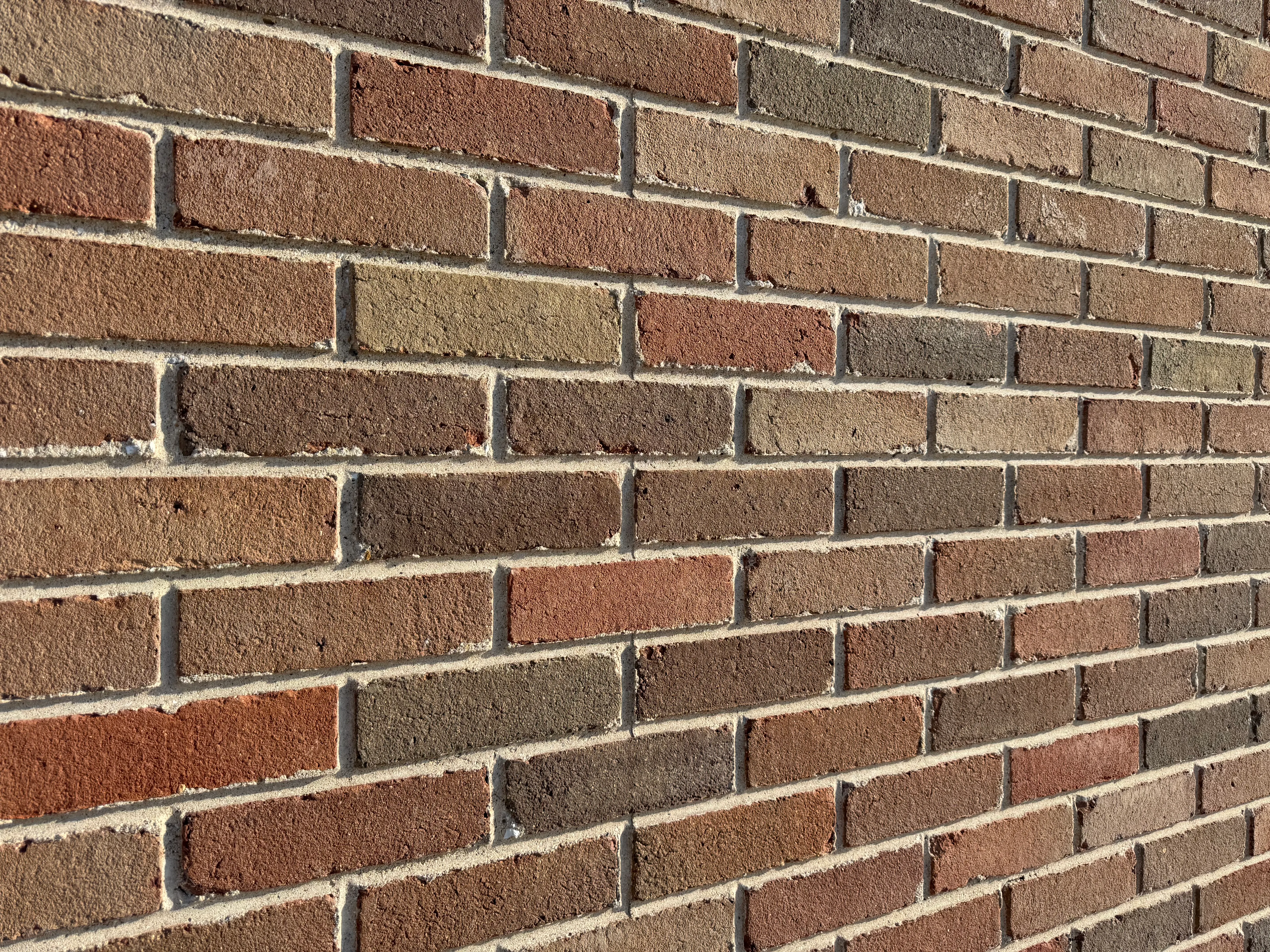
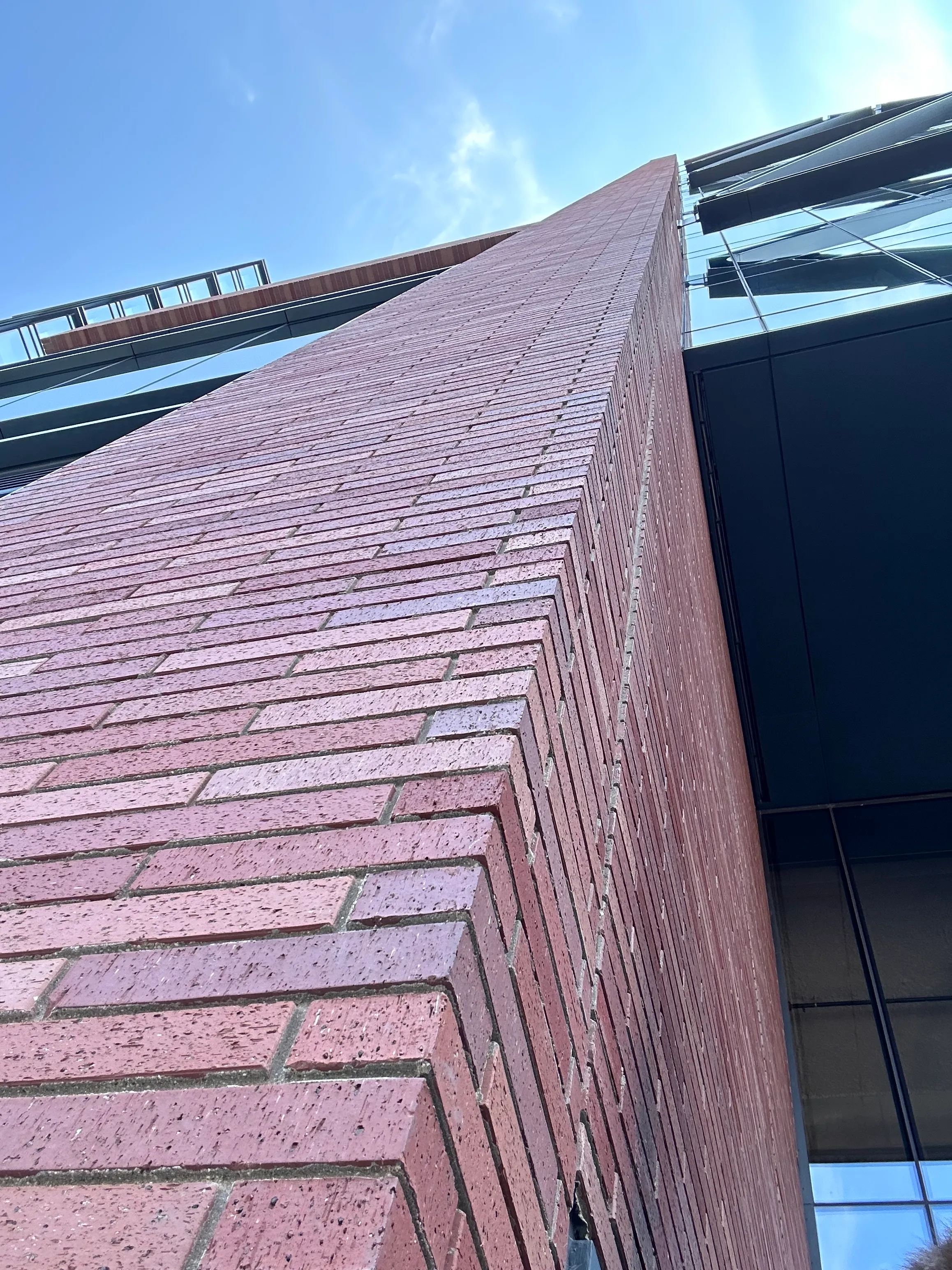
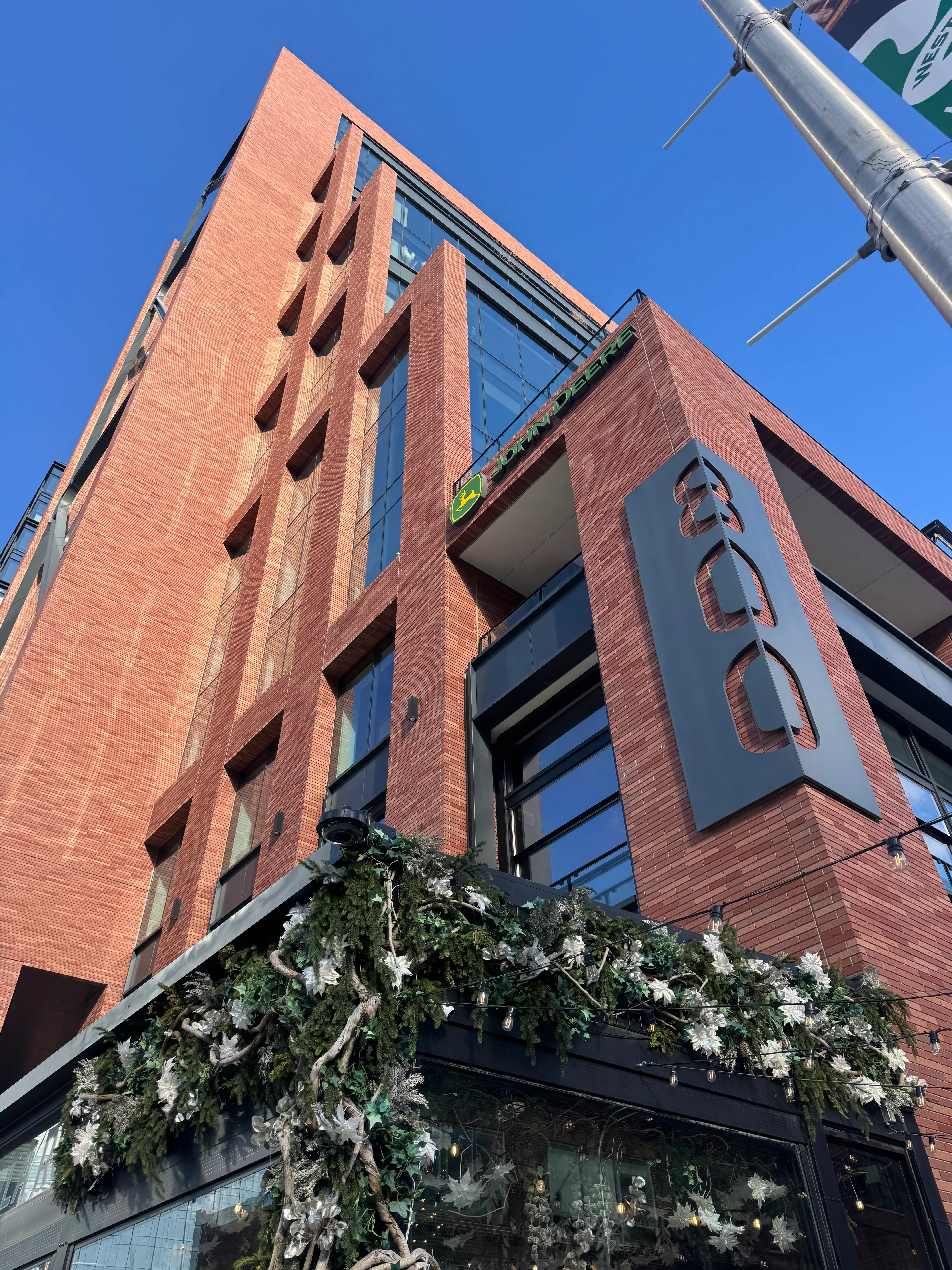
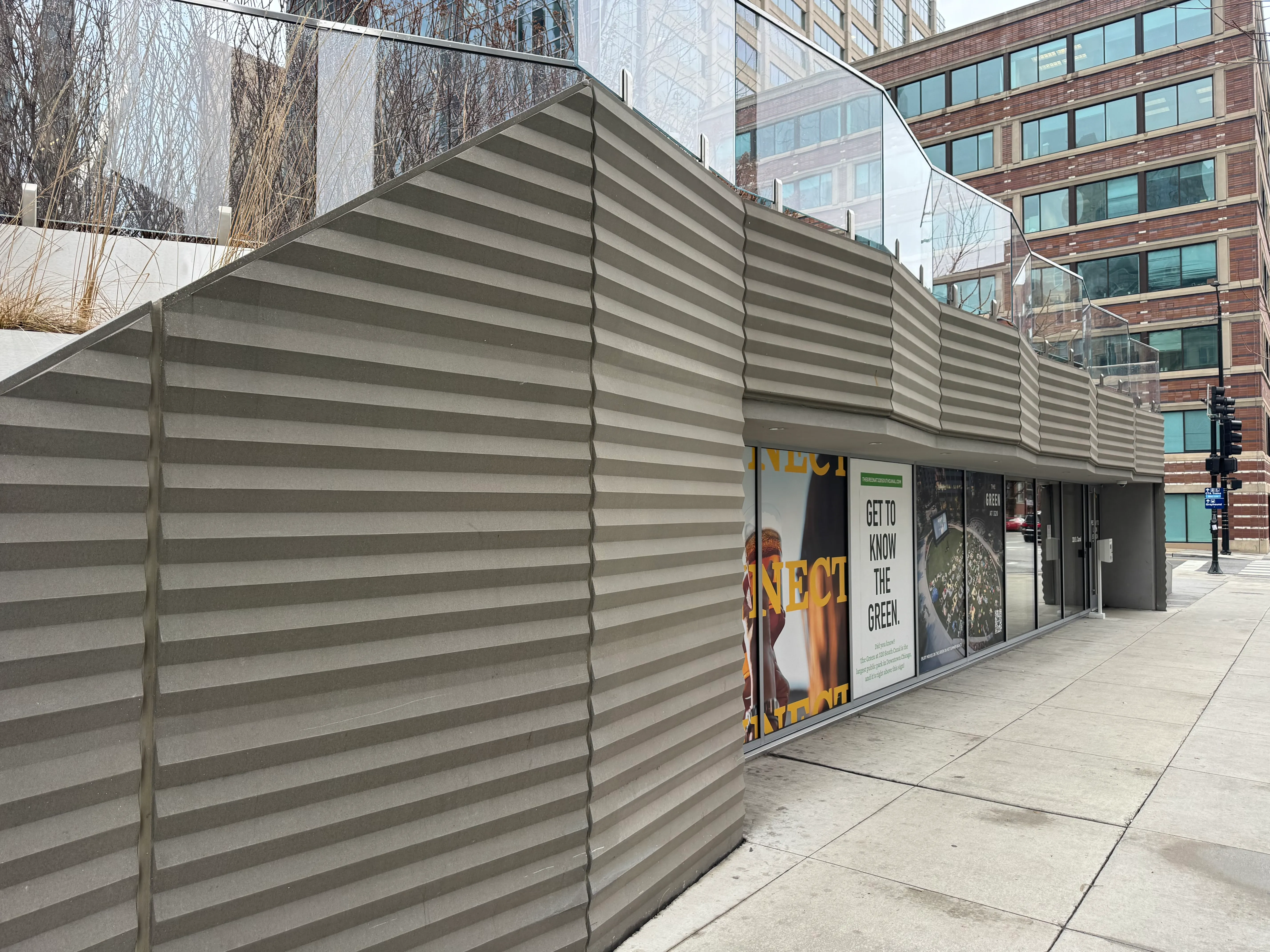
Material, up close
Finish, texture, detail
Detail tells a specifier more than another wide elevation. Here is the material up close: texture, coursing, reveal, and profile from Illinois and Wisconsin projects.
Go deeper
National PCI maintains the industry's technical library. We hand you the right piece of it:
Questions architects ask
How much does architectural precast concrete cost?
Cost per square foot depends on finish, panel size, repetition, and how many unique molds the design needs. Repetition is the largest single lever, since one mold used forty times costs far less per piece than forty unique molds. A producer can price a facade concept during schematic design, which is the point where changes are still cheap.
What finishes are available?
Acid etch, sandblast in several depths, form liner texture, polished and honed surfaces, exposed aggregate, and embedded thin brick or stone. Color comes from the cement, the aggregate, and pigment, so it runs through the piece rather than sitting on the surface as a coating that needs recoating.
How long does precast take compared to site-cast concrete?
Panels are cast while foundations and structure go up, so fabrication overlaps site work instead of following it. Erection then runs in days rather than weeks, and it continues through winter because casting happens in a heated plant. The schedule benefit shows up as an earlier building enclosure, which lets interior trades start sooner.
Can precast concrete meet energy code?
Yes. Insulated sandwich wall panels carry continuous insulation between two concrete wythes, which addresses thermal bridging directly and reaches the assembly R-values current energy codes ask for. The concrete also contributes thermal mass, which helps with peak load.
Is precast concrete sustainable?
Plant production reduces waste and lets the producer reclaim water and materials. Panels last for decades with little maintenance and are non-combustible, and the mass contributes to energy performance over the building life. Producers can supply environmental product declarations for specific mixes when your project is tracking embodied carbon.
When should I bring a precast producer into the design?
Schematic design. Panel layout, joint pattern, connection type, and piece weight all shape the elevation, and they are inexpensive to adjust before the drawings harden. Producers in this chapter will review a concept at no cost.